The story
How this came to be
Lotte, Mahfuz and I are planning and hosting a very special and intimate experience on an agricultural family farm in Bangladesh. I’m Kate, Najeer’s wife, and Mahfuz is Najeer’s dad.
Mahfuz grew up in the villages outside of Chittagong and his education and work later brought him to beautiful places such as Penang and later Manila, where he met Najeer’s mom. Over the course of their marriage and raising their family, Mahfuz brought them back to Bangladesh on an annual basis, where he was continually buying and developing farmland, near the village where he grew up, to give back to the community, support economic development, and grow and eat good food.
When I first met Najeer at the beginning of 2023, he told me all about the property in Bangladesh, and how it’s been expanding over the years. Tucked away in Kamaldaha, a 4 to 8 hour drive from the capital Dhaka, it’s a trek to get to, so few outside of Bangladesh are able to get to it. Najeer told me how important it was to share the experience. I couldn’t wait to one day go (Inshallah at the time) and see his legacy.
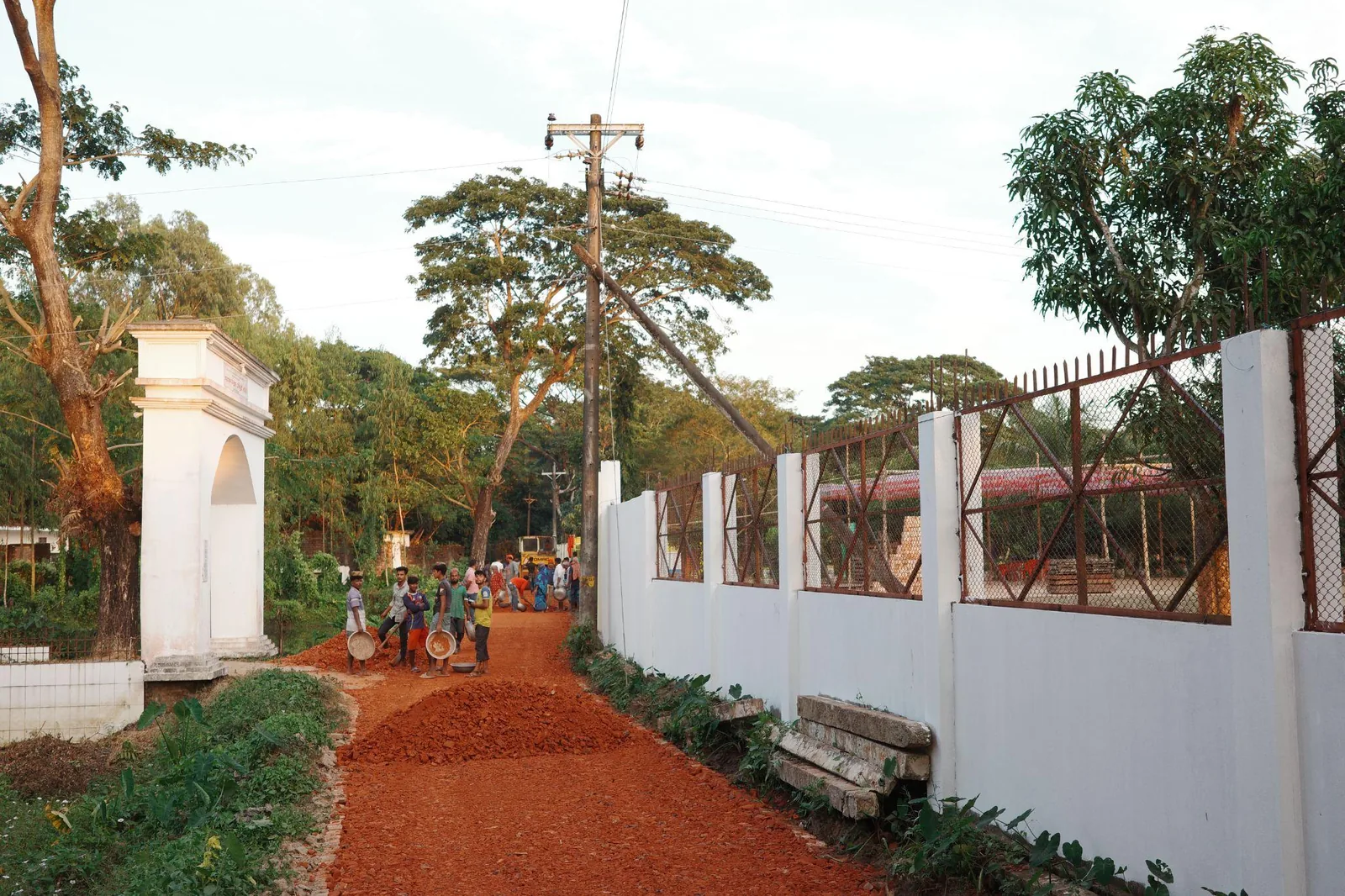
Najeer brought me in the winter of 2024 for the first time, where I met all of the amazing people who brought and are bringing Mahfuz’s dream to life. Aunts, uncles, cousins, cooks, farmers, home staff. What stood out tremendously beyond the incredible farm house that Mahfuz has been building over the course of the last 2 decades, was the food.
Sheikh, the “head of the home” and the official cook, makes the best Bangla food there is. I say this after eating at several restaurants, going to many peoples’ homes to eat (including government officials whose chefs do not compare) and wedding celebration parties with lots of homemade and catered food. Nothing compares to Sheikh. He’s learned over the years from family members with global taste, adding his signature garam masala (spice blend) and other techniques that he can somehow only achieve.
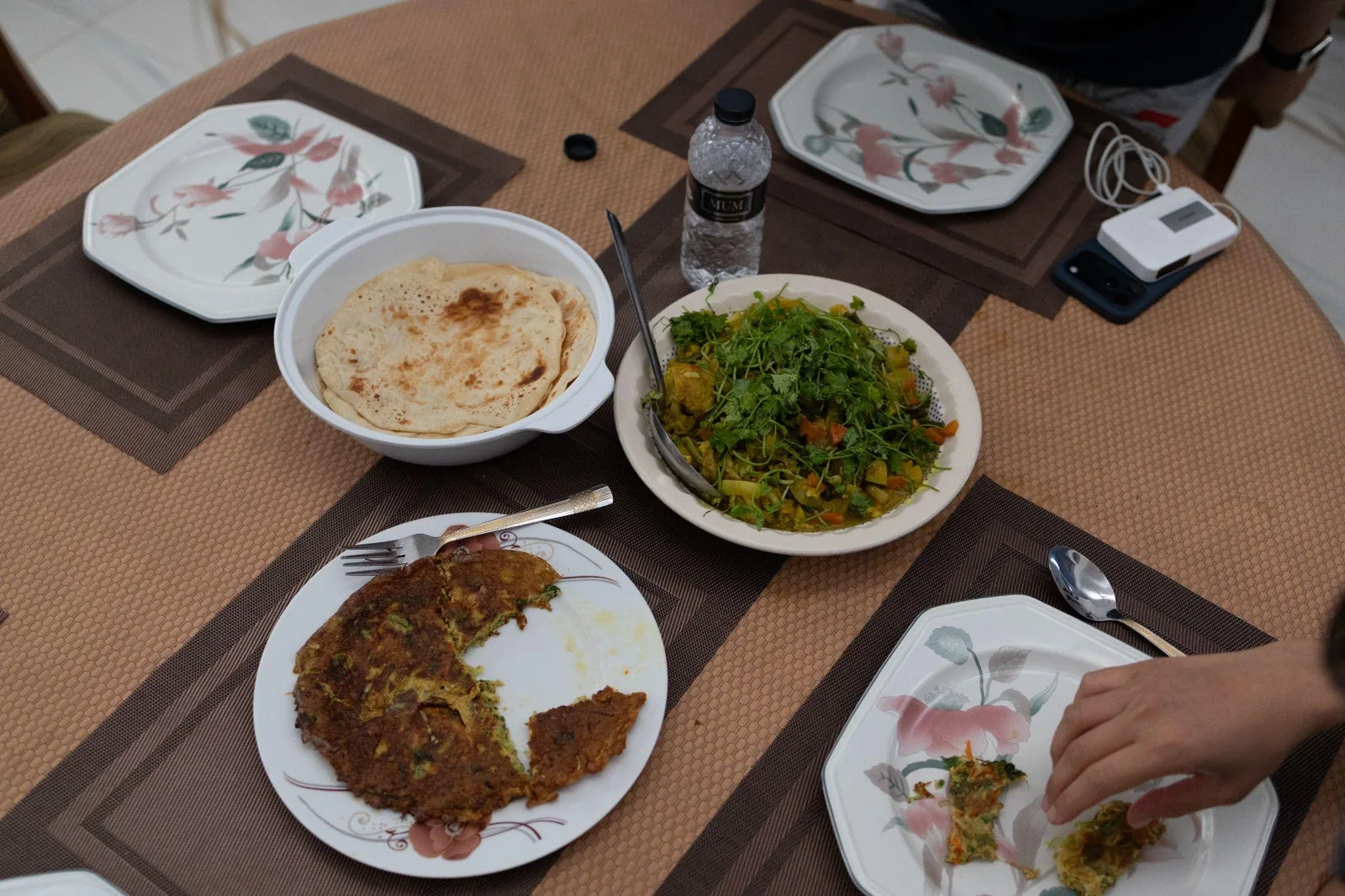
There are some staples at the farm, such as the 500 mango trees and 50 date trees, many banana and papaya trees. There are also decisions to be made, as each year it must be decided which crops they will grow, chili peppers, tomatoes. There are three ponds on the farm property, each that can be fished, and that fish is sold or consumed.
Being in Bangladesh for me is about taking time to discover, eat, connect, and get inspired. There’s a lot to do: biking to neighboring villages, painting a boat and taking it out on the big pond, visiting Dadu (grandma) for her famous homemade morning paratha. We went in the winter of 2025 as well, where we continued to pour into the relationships of the people who live there, in the villages, on the farm.
The farm in Bangladesh is called “Saleha Rabbani Agro” after Mahfuz’s mother Saleha, who died in the Bangladesh Liberation War in 1971. When Saleha’s is shared, it prospers. Every time I’m there, it’s a full house. People are coming in and out, driving from Dhaka to visit, hosting parties and events, visiting at all hours of the day and night for tea. The dining tables accommodate 18 in total and seats are usually filled.
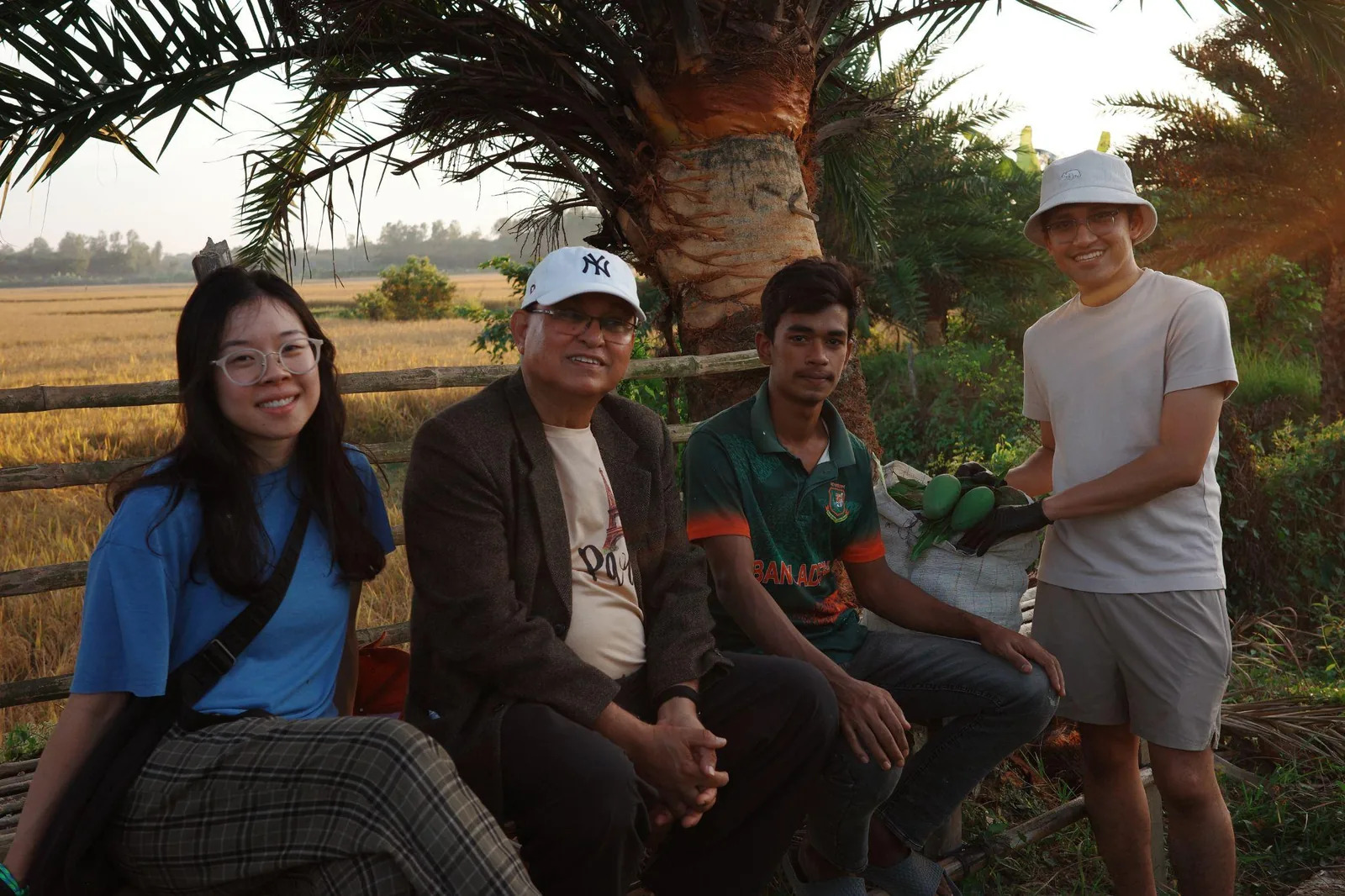
Lotte and I met in 2022, both as Design Research Consultants at Deloitte, and became fast friends. Our friendship immediately moved beyond the office and became centered around good food and experiences. There are honestly two people in this world whose food taste I truly trust and Lotte is one of them. Lotte and I both have a shared love for travel and food. Lotte has experience traveling on guided trips to really incredible places, Mallorca and throughout Iraq to name two. With a background in hospitality and passion for food, traveling together has been something on our bucket list for a while.
When I was 11, my mom enrolled me in CISV, “Children’s International Summer Villages.” This is a global network of programs that put on international long-term camps. CISV operates in 69 countries and over 200 cities. The name is a bit of a misnomer, because it’s not only for children (there are many programs 21+), they’re not always international, they’re not always in the summer, and they’re not always in villages.
My first experience as an 11 year old was the standard and traditional format of the program. The program was a summer camp for one month with 80+ campers. There were 14 countries represented, each country holds a delegation of 5, 4 kids (2 boys, 2 girls) and 1 leader (21+). Our camp was held in IJsselstein, the Netherlands, somewhere I had never thought I’d end up. One of my favorite parts of camp was “international night” where each delegation prepared and cooked a traditional meal from their country. It was during this time that I tasted and became exposed to global cuisine in a way I never had before, and my appetite for trying new foods and experiencing new cultures exploded.
Fast forward to fall, 2026. Lotte and I are chatting about what’s next, and somewhere along the way, the dots connect. What if we partner to create a culinary and cultural experience centered around the farm in Bangladesh? We could share this beautiful farm and experience with those who are interested. It would be a wonderful family project, and teach us what we can do to make the farm even better so that we can share it with more people. We will also learn so much about how to take care of guests, curate experiences, standardize an adventure. We brought this idea to Mahfuz and he was thrilled. We immediately started collaborating on the itinerary, understanding who we could involve and how we could structure and plan a very bespoke experience.